Every monsoon, our service phones light up. Visi coolers that ran fine all year suddenly start sweating, struggling to cool, or shutting off mid-day. Here are the five most common monsoon problems and what you can do to prevent them. Based on 28 years of servicing commercial refrigeration in Mumbai and the wider MMR.
1. Heavy condensation on the glass door
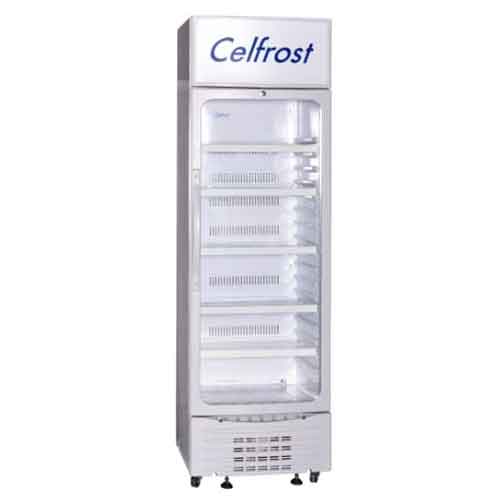
When humidity hits 85%+ (which is most of July-September in Mumbai), warm humid air condenses on the cold glass surface of your visi cooler. You see water droplets, fog, and sometimes streams running down the door — making the product inside hard to see.
Why it happens: The glass surface is cold (4-8°C), the air outside is warm and humid, and condensation forms naturally. Worse if your shop has poor ventilation or the cooler is near the door.
How to prevent:
- Keep the cooler at least 6 inches away from the shop entrance
- Don't position directly under a ceiling fan blowing humid outside air on it
- Many premium models have anti-fog heated glass — worth specifying when buying for monsoon-heavy markets
- Clean the glass with a dry cloth twice a day during peak monsoon
2. Compressor running continuously without cooling
The compressor sounds like it's running but the inside temperature is rising. By 2pm the bottles inside feel only mildly cold.
Why it happens: Condenser coil at the back/bottom of the unit gets blocked by dust + monsoon humidity creating a sticky film. Heat from the compressor can't escape, so the unit runs continuously without actually cooling.
How to prevent:
- Clean the condenser coil monthly during monsoon (vacuum or soft brush)
- Maintain 6-inch clearance on the back and sides of the cooler
- This is a routine AMC visit task — if you have AMC, your monsoon visit covers this
3. Door seal deterioration
The rubber gasket around the door starts to crack, harden, or lose its grip. Cold air leaks out, warm humid air leaks in, the compressor works harder, and your power bill goes up.
Why it happens: Mumbai humidity causes door seals to absorb moisture, swell, then dry out in air-conditioned environments. Repeated cycles damage the rubber.
How to prevent:
- Check door seal integrity at the start of monsoon — close the door on a piece of paper; if the paper pulls out easily, the seal is loose
- Replace seals every 3-4 years as preventive maintenance
- Wipe the seal weekly with a slightly damp cloth (not soaked) to clean trapped moisture
4. Electrical tripping and voltage damage
Monsoon brings voltage fluctuations. Mumbai's commercial electrical supply is more stable than rural areas but heavy rain causes regional voltage swings. Compressors are voltage-sensitive — a high-voltage spike can fry the start-relay or burn the compressor motor.
How to prevent:
- Voltage stabiliser is non-negotiable — every commercial visi cooler should run through a stabiliser rated for the unit's load (typically 1-2 kVA)
- Unplug the cooler during electrical storms if possible
- Test the earthing of your shop's electrical socket; poor earthing accelerates compressor damage
5. Inside cabinet smell and bacterial growth
Monsoon humidity creates a damp environment inside the cooler. If door opening is frequent and door seal is weak, moisture builds up. After a few weeks you notice a musty smell.
How to prevent:
- Wipe down inside surfaces with a vinegar-water solution weekly during monsoon
- Don't store cardboard or paper-wrapped product inside — they absorb moisture and develop mould
- Check the drainage tray at the back — clogged drains cause water to stand
The simpler way: take an AMC
Most of these issues are routine maintenance tasks. An AMC contract with us includes monsoon-specific service visits and you don't have to think about any of this. Read our AMC vs warranty guide for details, or call +91 99115 50822 for AMC pricing on your visi cooler.